Computerized Maintenance Management System
Your maintenance & operations solution
Organize • automate • simplify
Security that supports how you operate
SOC 2 Audited | Designed for secure, reliable operations
PropertyTRAK has completed a SOC 2 audit, an independent evaluation of how we manage and protect client data.
For organizations managing multiple facilities, teams, and vendors, that means greater confidence in the systems supporting day-to-day operations.
Our approach to security is ongoing, with a focus on protecting data, maintaining system availability, and continuously improving how we operate.
Data is protected by independently verified security controls
System is built for reliability, uptime, and availability
Compliance requirements are easier to meet
Vendor risk review process is simplified & IT team gains peace of mind
Experience PropertyTRAK in Action: Try Our Self-Guided Demo
Explore PropertyTRAK’s powerful features at your own pace with our interactive self-guided demo. Discover how easy it is to streamline your property management operations, enhance communication, and improve efficiency—no sales call required. Take a quick self-paced demo and see how PropertyTRAK can work for you!
PROPERTYTRAK IS
the only CMMS
you’ll ever need






CASE STUDY
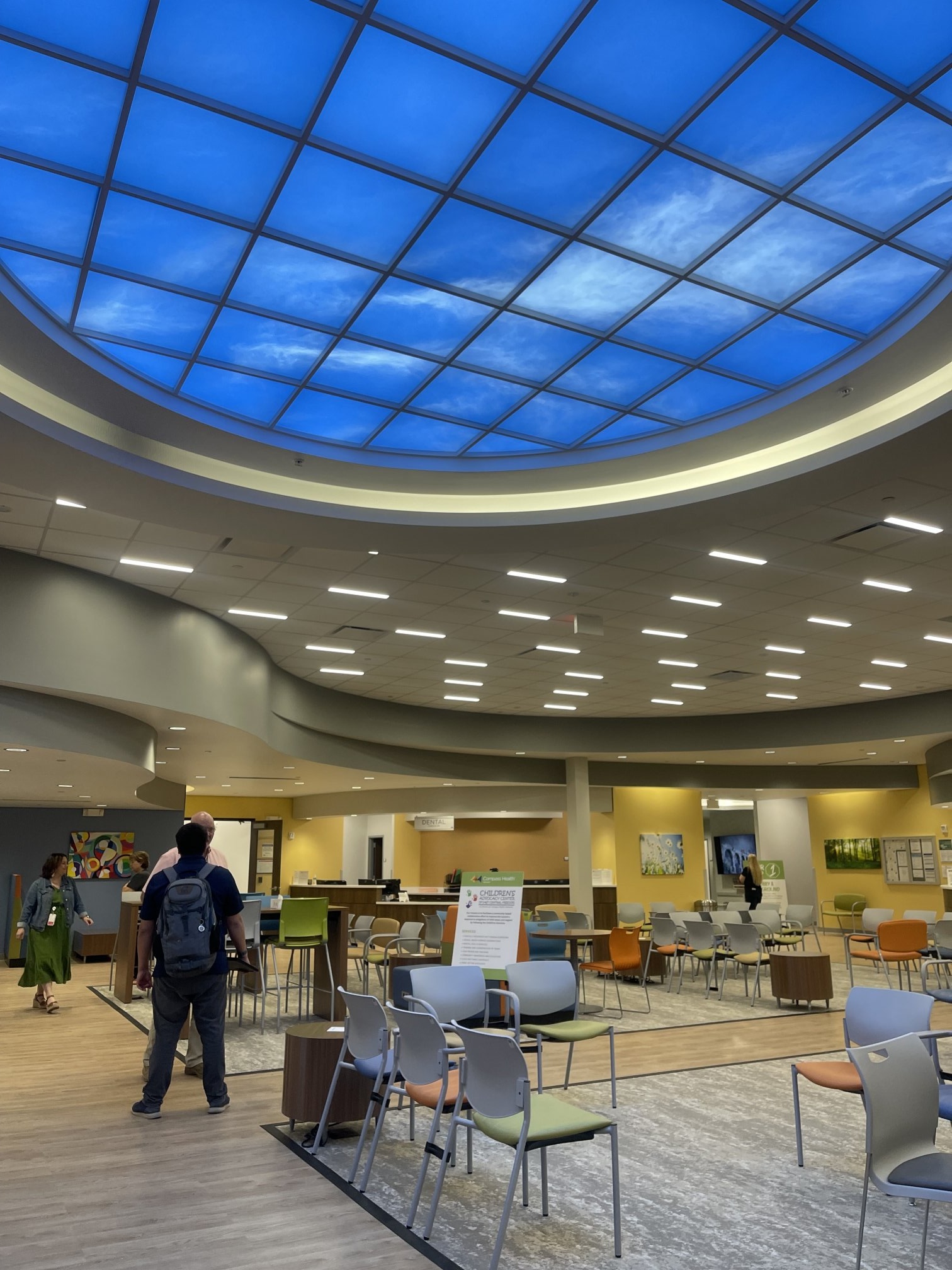
A New Era of Community Care: Inside Compass Health’s Festus-Truman Center Transformation
Discover how Compass Health Network turned a vacant grocery store into a 61,000 sq ft healthcare hub — all while managing over 1,700 assets seamlessly with PropertyTRAK:
-
Custom work orders to schedule site visits & walk-throughs
-
Bulk import & QR-code tagging for 1,700+ assets
-
90 % of assets labeled and tracked before Day One
-
Mobile-enabled service requests for final setup tasks
ROI | By the Numbers
%
Increase in Maintenance Productivity
%
Reduction in Equipment Downtime
%
Annual Client Savings
REQUEST. APPROVE. WORK. RESULTS.
Total control in the
START A SERVICE REQUEST
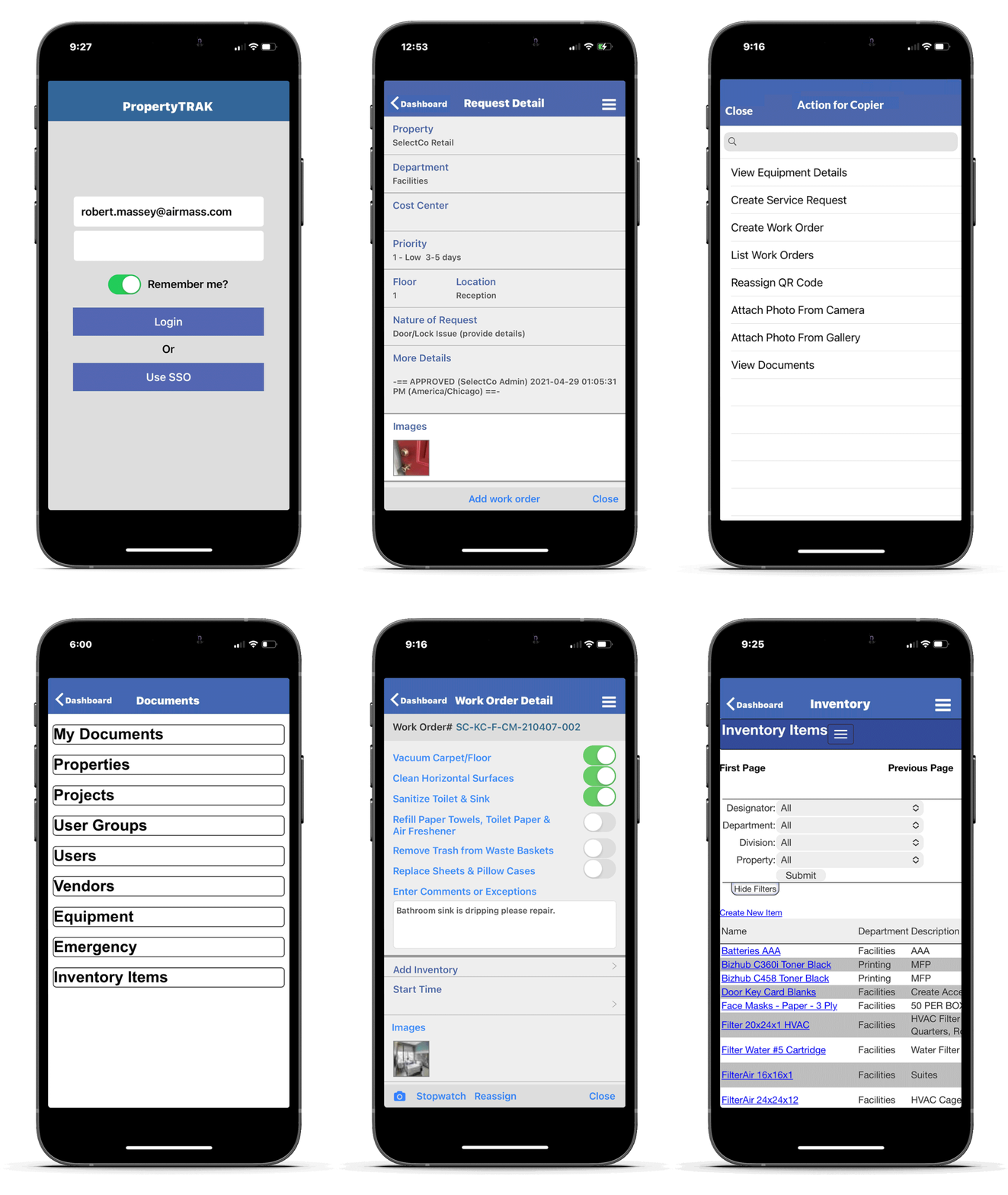
There's no better place to initiate a service request than where the service is needed. Open a service request right from your phone or tablet.
SCAN QR CODE TO TRACK & SERVICE
PropertyTRAK provides unique QR codes to tracks assets and equipment. When it's time for inventory or service, a quick scan ensures accuracy and compliance.
MANAGE PROPERTIES & EQUIPMENT
With the ability to attach photos and documents, details about properties, equipment acquisition, maintenance logs, and financial data are all at your fingertips.
COMMUNICATE WITH TEAM & VENDORS
Automated email and instant messaging capabilities keep the team and outside vendors in the loop and on-task, increasing productivity, saving money and time.
palm of your hands.
TRACK WORK ORDER PROGRESS
Easily sort Work Orders by priority, department, and even common requests. Extensive reporting tools provide a complete history of staff, properties, and more with just a few clicks.
RESERVE A MEETING ROOM
Our new floorplan interface lets you see room layouts, as-built drawings, available equipment, furniture and more. Check the calendar and reserve a room for your next meeting.
INITIATE EMERGENCY RESPONSE PLANS
When emergency strikes, time is of the essence so the PropertyTRAK app offers customizable rapid response plans and critical messaging at your fingertips.
MANAGE PROJECTS & CALENDARS
PropertyTRAK provides a flexible calendar for tracking tasks, projects, and staff. Work orders are automatically added so you never miss a request or status update.
Total control in the palm of your hands.
START A SERVICE REQUEST
There's no better place to initiate a service request than where the service is needed. Open a service request right from your phone or tablet.
SCAN QR CODE TO TRACK & SERVICE
PropertyTRAK provides unique QR codes to tracks assets and equipment. When it's time for inventory or service, a quick scan ensures accuracy and compliance.
MANAGE PROPERTIES & EQUIPMENT
With the ability to attach photos and documents, details about properties, equipment acquisition, maintenance logs, and financial data are all at your fingertips.
COMMUNICATE WITH TEAM & VENDORS
Automated email and instant messaging capabilities keep the team and outside vendors in the loop and on-task, increasing productivity, saving money and time.
TRACK WORK ORDER PROGRESS
Easily sort Work Orders by priority, department, and even common requests. Extensive reporting tools provide a complete history of staff, properties, and more with just a few clicks.
RESERVE A MEETING ROOM
Our new floorplan interface lets you see room layouts, as-built drawings, available equipment, furniture and more. Check the calendar and reserve a room for your next meeting.
INITIATE EMERGENCY RESPONSE PLANS
When emergency strikes, time is of the essence so the PropertyTRAK app offers customizable rapid response plans and critical messaging at your fingertips.
MANAGE PROJECTS & CALENDARS
PropertyTRAK provides a flexible calendar for tracking tasks, projects, and staff. Work orders are automatically added so you never miss a request or status update.
CLIENT SPOTLIGHT
95% RETENTION OVER 25 INDUSTRIES













How can we help you?
Your business is unique and so are your CMMS needs. Let us help craft the perfect solution for your needs, your team, and your budget. Call us or click the link below to contact us.
SCHEDULE A DEMO
CONNECT
8500 West 110th Street
Suite 550
Overland Park, KS 66210
+1 (913) 888-0810
info@propertytrak.com

Privacy Policy • Accessibility Statement • Terms and Conditions • Check Status
© PropertyTRAK • Website Design by Square Peg Marketing & Branding LLC
SCHEDULE A DEMO
CONNECT
8500 West 110th Street
Suite 550
Overland Park, KS 66210
+1 (913) 888-0810
info@propertytrak.com
Privacy Policy
Accessibility Statement
Terms and Conditions
Check Status
© PropertyTRAK • Website Design by Square Peg Marketing & Branding LLC